The global shift towards sustainability has transformed the way businesses operate. As environmental and ethical concerns take center stage, companies must adapt their strategies to meet the expectations of conscious consumers. One critical aspect of this adaptation is managing product pricing during a sustainability shift. In this article, we will explore the challenges and strategies associated with pricing sustainable products and services while maintaining competitiveness and profitability.
Tag Archives: Lean Six Sigma
Boosting Productivity, Customer Satisfaction, and Profitability by Eliminating Non-Value Added Activities
In the relentless pursuit of success, businesses must constantly seek ways to improve their efficiency, customer satisfaction, and profitability. One often-overlooked factor that can significantly impact these aspects is the presence of non-value added activities within an organization. These activities, while seemingly innocuous, can have a profound negative impact on overall performance. In this blog post, we will delve into the world of non-value added activities, uncovering how they can stunt productivity, erode customer satisfaction, and hinder profitability.
Streamlining Vendor Contract Negotiations: The Power of Chatbots
In the fast-paced world of business, where efficiency and productivity are paramount, companies are constantly seeking innovative solutions to streamline their operations. One area where technology has made significant strides is in vendor contract negotiations. With the advent of chatbots, organizations now have a powerful tool at their disposal to simplify and expedite the often complex process of vendor contract negotiations.
How to Develop Actionable Business Metrics
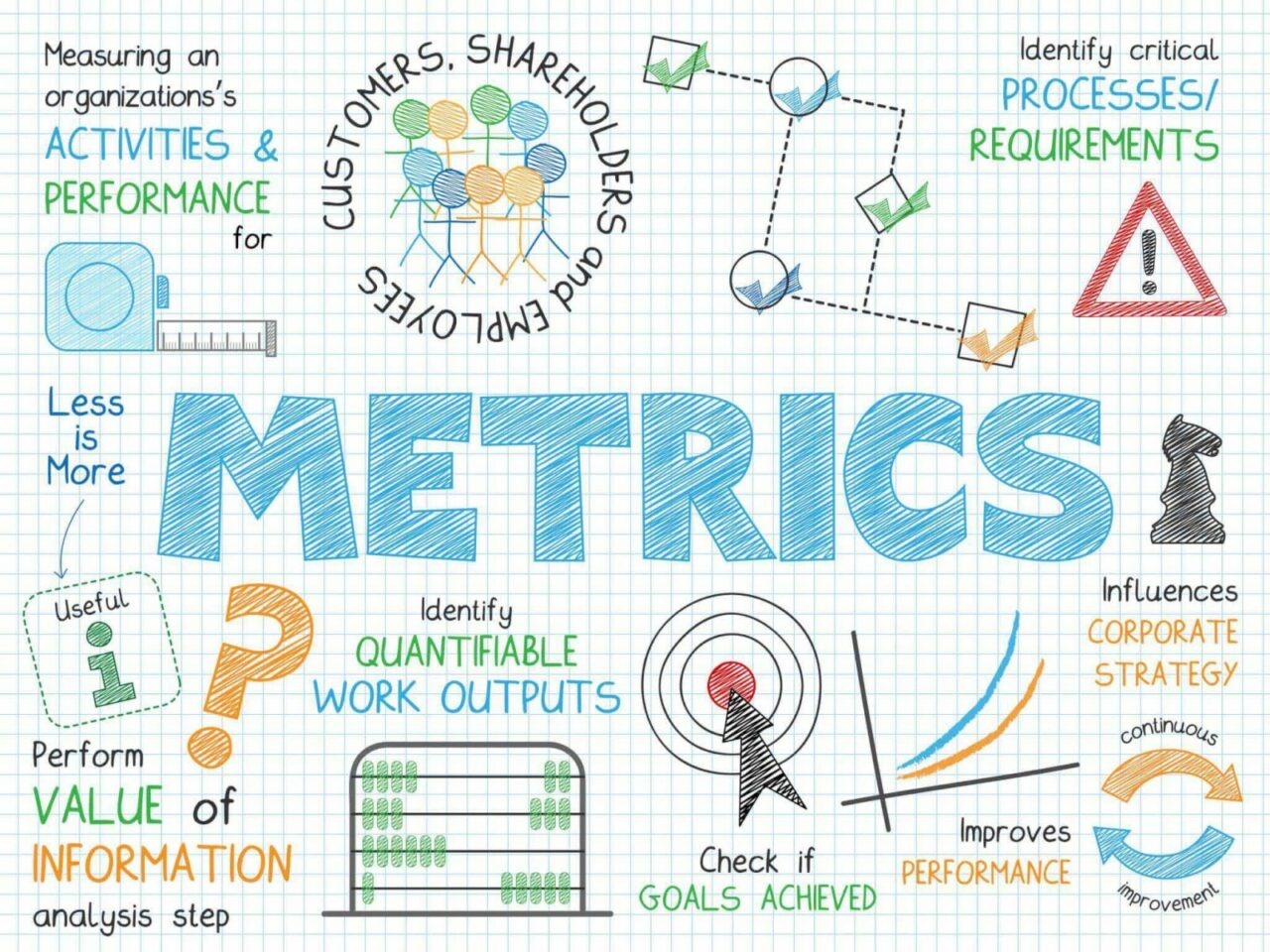
Measuring and improving performance is not just a necessity but a strategic imperative. Companies that succeed are those that not only set objectives but also track their progress and make data-driven decisions for process enhancement. This is where actionable business performance metrics come into play, serving as the compass guiding businesses toward their goals. In this blog post, we will explore how to develop such metrics in tandem with process improvement strategies, ensuring sustained growth and success.
A Systematic Approach to Higher Golf Course Business Deal Closures

The art of closing business deals is not just about persuasive communication and a firm handshake; it’s a multifaceted dance that requires finesse, strategy, and a keen understanding of human dynamics. As business professionals seek innovative ways to secure deals, one unexpected avenue that has gained prominence is the golf course. In this blog post, we explore how the principles of process improvement can significantly contribute to closing more business deals on the green. By applying structured methodologies to this seemingly relaxed environment, professionals can elevate their game and increase their success rate in sealing those critical business agreements.
The Continuous Business Strategy
Achieving business strategy success demands more than just a great idea; it necessitates an exceptional strategy executed with precision. While business landscapes continually shift, one aspect remains constant: the significance of process improvement. Integrating process improvement methodologies into your business strategy can elevate your organization’s performance, streamline operations, and create a culture of continuous growth. In this article, we will delve into the key elements of executing a remarkable business strategy through effective process improvement techniques.
Enhancing Sustainability: The Transformative Power of Process Improvement for Companies

In an era where environmental concerns and social responsibility are at the forefront of global conversations, companies are increasingly recognizing the vital importance of integrating sustainable practices into their operations. A robust sustainability strategy not only benefits the planet but also holds the potential to enhance a company’s long-term profitability and competitiveness. One powerful tool in achieving this integration is process improvement. By optimizing internal processes, companies can drive efficiency, reduce waste, conserve resources, and strengthen their commitment to sustainability. In this blog post, we will explore the myriad ways in which process improvement can bolster a company’s sustainability strategy.
Sustaining DMAIC Improvements: A Blueprint for Long-Term Success

The dynamic nature of business necessitates a constant quest for improvement and optimization. DMAIC (Define, Measure, Analyze, Improve, Control) is a structured methodology that empowers organizations to enhance processes, reduce defects, and increase efficiency. Yet, achieving and maintaining DMAIC improvements is not a one-time endeavor; it requires a comprehensive approach that integrates the principles of continuous improvement. In this article, we delve into the strategies and practices that facilitate the long-term sustenance of DMAIC improvements, ensuring that your organization thrives in an ever-evolving landscape.
Unlocking Employee Retention: The Transformative Power of Process Improvement

In the dynamic realm of modern business, where companies are vying for a share of the market and striving to outshine their competitors, the key to success often rests on a treasure trove that is right under our noses – our employees. Talent retention, the art of keeping skilled and motivated employees within an organization, is an essential facet of sustaining growth and achieving long-term success. One powerful strategy that often goes overlooked in the quest for retaining talent is process improvement. As organizations embark on this journey of refining and optimizing their operations, they inadvertently pave the way for higher job satisfaction, professional growth, and enhanced employee engagement.
Enhancing Revenue Generation through Process Improvement for Small Businesses
In the fast-paced and competitive world of business, small enterprises often find themselves juggling multiple tasks, limited resources, and fluctuating market conditions. Amidst these challenges, the pursuit of increased revenue remains a constant goal. One powerful strategy that small businesses can employ to achieve this objective is process improvement. By optimizing their operations, streamlining workflows, and enhancing efficiency, small businesses can unlock significant revenue growth potential. In this article, we will delve into the various ways process improvement can lead to increased revenue for small businesses.
 Notable