Nurturing Talent in Modern Supply Chains

Nurturing Talent in Modern Supply Chains

In the intricate web of today’s corporate world, supply chains stand as the lifeblood of commerce, orchestrating the movement of goods and resources across the globe. However, the success of these supply chains relies not just on logistics and operations but also on the people behind the scenes. Attracting and retaining top talent is an ongoing challenge, but the solution might be closer than we think. Process improvement, often underestimated in its impact, can be the key to not only optimizing supply chain operations but also creating an environment that appeals to skilled professionals. Let’s delve into how the art of process improvement can redefine talent acquisition and retention strategies in the supply chain landscape.

**1. **Empowering Efficiency for Employee Empowerment

Efficiency is a cornerstone of successful supply chain operations. But it’s not just about moving products swiftly; it’s about empowering employees to work smarter, not harder. Process improvement methodologies like Lean and Six Sigma focus on identifying and eliminating inefficiencies, streamlining workflows, and optimizing resource allocation. When employees witness the positive outcomes of these methodologies, such as reduced waste, fewer errors, and improved overall performance, it fosters a sense of empowerment and ownership. This, in turn, creates an appealing work environment where talented professionals feel their contributions truly matter.

**2. ** Fostering a Culture of Innovation

Innovation is a driving force in the modern business world. Supply chains that embrace innovation through process improvement signal to potential employees that they value creativity and forward thinking. When employees are encouraged to propose and implement process improvements, it fosters a culture of continuous learning and growth. Talented individuals are naturally drawn to organizations that promote innovation, as it offers them the opportunity to contribute their ideas, experiment with new approaches, and be a part of something bigger than routine tasks.

**3. ** Enhancing Professional Development Opportunities

Top-tier talent seeks professional growth and development. A supply chain that invests in process improvement invests in its employees’ growth as well. By providing training in process improvement methodologies, organizations not only enhance employee skill sets but also empower them to take ownership of their work processes. This creates a sense of loyalty, as employees recognize the company’s commitment to their development. As talented individuals climb the ladder, they want to know they’re joining a workplace that values their progression as much as they do.

**4. ** Nurturing a Collaborative Environment

Modern supply chains are complex ecosystems involving multiple stakeholders. Process improvement inherently requires collaboration across different departments and functions. Implementing cross-functional teams to drive process improvement initiatives encourages employees to collaborate, share insights, and learn from each other. This collaborative spirit can be a powerful attractor for top talent, as it signals a workplace where open communication and teamwork are not just buzzwords but fundamental values.

**5. ** Creating Meaningful Work

Talented professionals are often drawn to work that has a meaningful impact. Process improvement, when approached strategically, directly affects the bottom line of the business. Whether it’s reducing environmental impact, improving product quality, or enhancing customer satisfaction, the outcomes of process improvement initiatives resonate with employees who want to contribute to something worthwhile. When supply chains highlight their commitment to making a positive impact through streamlined processes, it can captivate the attention of purpose-driven talent.

**6. ** Balancing Workload and Work-Life

Supply chains are notorious for their demanding nature, often requiring long hours and quick decision-making. However, process improvement can be a game-changer in achieving a better work-life balance for employees. By optimizing workflows, reducing bottlenecks, and minimizing unnecessary tasks, organizations can free up time and reduce stress levels. A supply chain that values its employees’ well-being by implementing process improvements that ease their workload becomes an attractive prospect for individuals who seek a healthier work-life equilibrium.

Conclusion

In the dynamic realm of supply chains, talent acquisition and retention are challenges that can’t be ignored. As organizations strive to stand out and attract the best and brightest, process improvement emerges as a formidable ally. It’s not just about tweaking operations; it’s about creating a workplace culture that resonates with the aspirations of talented individuals. Empowering efficiency, fostering innovation, enhancing professional development, nurturing collaboration, creating meaningful work, and striking a balance between workload and work-lifeβ€”all these facets of process improvement contribute to an environment where top talent thrives. By recognizing the transformative power of process improvement, supply chains can redefine their relationship with talent and position themselves as magnets for the skilled professionals of tomorrow.

Like this post? Buy my book, Workflows: How to Design, Improve and Automate High Performance Processes to start your process improvement journey.

Unlocking Business Insights: The Crucial Role of Granular Customer Data Analysis

Unlocking Business Insights: The Crucial Role of Granular Customer Data Analysis

In today’s dynamic and constantly shifting business environment, the importance of data cannot be overstated. It serves as the foundation upon which informed decisions are made, strategies are formulated, and solutions are crafted. Specifically, customer data stands as a goldmine of insights waiting to be unearthed. However, not all data is created equal. To truly harness its power, businesses must delve into granular customer data analysis. This involves breaking down data into its finest components, enabling organizations to gain a deeper understanding of their customers and ultimately solve complex business problems.

1. Unveiling Patterns and Trends

Data, when examined closely, is not just a collection of random numbers and figures. Instead, it’s a roadmap that can guide businesses towards understanding consumer behavior. Granular customer data analysis enables the identification of patterns and trends that might otherwise remain hidden. By dissecting the data into smaller segments, businesses can pinpoint specific customer behaviors, preferences, and purchasing habits. This, in turn, empowers companies to tailor their products, services, and marketing strategies to cater to these unique patterns, resulting in enhanced customer engagement and improved decision-making.

2. Personalization at its Finest

In a world where consumers are inundated with generic advertisements and mass-produced products, personalization has emerged as the key differentiator. Granular customer data analysis allows businesses to personalize their offerings with an unparalleled level of precision. By understanding individual preferences, purchase histories, and interactions, companies can curate experiences that resonate with customers on a personal level. This not only boosts customer satisfaction but also fosters long-term loyalty, as clients feel genuinely understood and valued by the brand.

3. Navigating Purchase Journeys

The modern customer journey is a complex web of touch-points, channels, and interactions. Without a granular understanding of these journeys, businesses are navigating in the dark. Customer data analysis at a granular level sheds light on every step of the purchase journey. From initial awareness to final purchase, and even post-purchase interactions, this approach provides a comprehensive view of the customer’s experience. Armed with this information, organizations can optimize each touch-point, identify pain points, and create a seamless journey that guides customers effortlessly from consideration to conversion.

4. Enhancing Predictive Analytics

Predictive analytics has transformed the way businesses operate. By analyzing historical data, organizations can make informed predictions about future trends and outcomes. Granular customer data takes predictive analytics to the next level. The more detailed and specific the data, the more accurate the predictions become. This is particularly valuable when it comes to inventory management, demand forecasting, and resource allocation. Businesses can anticipate shifts in customer preferences, seasonal fluctuations, and market trends with a heightened level of accuracy, enabling them to stay ahead of the curve.

5. Effective Problem Solving

At its core, data analysis is about solving problems. Whether it’s improving sales, reducing churn, or enhancing customer satisfaction, granular customer data holds the key. When faced with a business challenge, such as declining sales in a specific region, a superficial analysis might offer only generic insights. However, by delving into granular customer data, businesses can uncover the root causes behind the problem. Isolating variables such as demographic factors, purchasing frequency, or engagement levels can provide a holistic picture of the issue. This, in turn, informs targeted strategies that directly address the problem’s underlying factors.

6. Maximizing Marketing Efforts

Marketing is both an art and a science, and granular customer data analysis bridges the gap between the two. Understanding customer preferences and behavior at a granular level allows for laser-focused marketing campaigns. By tailoring messages to resonate with specific customer segments, businesses can optimize their marketing efforts. This minimizes wasted resources on irrelevant campaigns and increases the likelihood of conversion. Furthermore, analyzing data on a granular level enables marketers to identify the most effective channels, timing, and messaging for different customer groups, resulting in higher engagement and ROI.

Conclusion

In a business ecosystem that is in a constant state of flux, harnessing the power of granular customer data analysis is no longer an optionβ€”it’s a necessity. The insights gained from this approach enable businesses to uncover patterns, personalize experiences, navigate customer journeys, enhance predictive analytics, solve problems effectively, and maximize marketing efforts. It’s a transformative process that turns raw data into actionable insights, propelling businesses towards success in a competitive marketplace. As organizations continue to refine their data analysis strategies, the depth and accuracy of their understanding will set them apart, fostering lasting customer relationships and driving sustainable growth.

Like this post? Buy my book, Workflows: How to Design, Improve and Automate High Performance Processes to start your process improvement journey.

Unlocking Process Excellence: The Imperative of Breaking Departmental Silos for Company-Wide Success

Unlocking Process Excellence: The Imperative of Breaking Departmental Silos for Company-Wide Success

In the world of business, the pursuit of excellence is an unwavering goal. Achieving this excellence, however, is not solely about individual departments excelling in isolation. Rather, it hinges on the seamless collaboration and alignment of various departments across the organization. This is where the notion of breaking down departmental silos comes into play. In this article, we delve into the critical importance of shattering these barriers to foster process excellence throughout the company.

1. The Power of Collaboration

In a complex business environment, collaboration is the linchpin that propels organizations forward. Breaking departmental silos fosters a culture of cooperation, where departments work synergistically toward shared goals. By pooling resources, expertise, and insights, departments can collectively find innovative solutions to challenges that might otherwise remain unresolved within isolated silos.

2. Holistic View of Operations

When departments operate in isolation, it’s easy to lose sight of the bigger picture. Breaking down silos offers a panoramic view of the entire organizational landscape. This holistic perspective enables leaders to identify inefficiencies, redundancies, and gaps in processes that might have gone unnoticed when departments function independently.

3. Enhanced Customer Experience

Customers interact with various touchpoints within an organization. From sales to customer service, each department contributes to the overall customer experience. When these departments collaborate seamlessly, the customer journey becomes smoother and more consistent. By breaking down silos, businesses can align their efforts to ensure that customers receive exceptional service at every stage of their interaction with the company.

4. Streamlined Workflows

In a siloed environment, processes can become convoluted and disconnected. Breaking down departmental barriers allows organizations to streamline workflows and eliminate bottlenecks. By optimizing processes across departments, companies can achieve greater efficiency, reduce operational friction, and ultimately deliver better results.

5. Innovation Unleashed

Innovation thrives in an environment where diverse perspectives intersect. When departments collaborate, the exchange of ideas becomes richer and more diverse, leading to groundbreaking innovations. Breaking down silos enables the cross-pollination of ideas, sparking creativity that can revolutionize products, services, and processes.

6. Agility and Adaptability

In a rapidly changing business landscape, adaptability is a cornerstone of success. Siloed departments can hinder the swift response needed to address market shifts or emerging trends. By fostering cross-departmental collaboration, businesses become more agile, capable of adapting and evolving in real-time to meet evolving customer needs.

7. Data-Driven Decision Making

Data is a potent asset in modern business. Breaking down silos allows for the consolidation of data from various departments, leading to more informed decision-making. With access to comprehensive data, leaders can make strategic choices that are rooted in accurate insights rather than partial information.

8. Employee Empowerment

Breaking down silos also has a positive impact on employee engagement and empowerment. When departments collaborate, employees feel part of a cohesive team working toward shared objectives. This sense of belonging and purpose can boost morale, job satisfaction, and overall productivity.

9. Conflict Resolution

Siloed departments can inadvertently lead to conflicts arising from miscommunication or differing perspectives. By promoting cross-departmental collaboration, organizations create opportunities for open dialogue and conflict resolution. When departments collaborate, misunderstandings can be addressed promptly, preventing issues from escalating into larger disputes.

10. Leadership Alignment

For organizations to thrive, leadership alignment is non-negotiable. Breaking down silos facilitates better communication and alignment among leaders from different departments. This shared understanding of strategic goals and operational challenges enables leadership to make cohesive decisions that benefit the entire organization.

Conclusion

Breaking down departmental silos is not just a business strategy; it’s a transformative journey that drives process excellence company-wide. The benefits are manifold: from fostering collaboration and innovation to enhancing customer experiences and streamlining operations. As businesses strive for excellence, they must recognize that it’s the collective effort of cross-functional teams that truly propels them toward success. By embracing collaboration and tearing down the barriers between departments, organizations can unlock their full potential, ensure lasting growth, and achieve unparalleled process excellence.

Like this post? Buy my book, Workflows: How to Design, Improve and Automate High Performance Processes to start your process improvement journey.

Strategies for Maintaining Low Accounts Receivable Days During Business Growth

Strategies for Maintaining Low Accounts Receivable Days During Business Growth

Growth is a pivotal goal for any organization. As companies expand, it becomes crucial to manage various operational aspects effectively. One such critical aspect is the management of accounts receivable. Maintaining low accounts receivable days, even amidst growth, is essential for ensuring a healthy cash flow and sustaining financial stability. In this article, we’ll explore some practical strategies to achieve this goal without losing sight of the big picture.

1. Efficient Invoicing Processes

Streamlining your invoicing processes is fundamental in managing accounts receivable effectively. Implement clear and concise invoicing procedures, ensuring that invoices are sent promptly after services or products are delivered. Make sure your invoices are accurate and include all necessary details to minimize disputes or delays in payment. Utilizing automated invoicing systems can also expedite the process and reduce the chances of human errors.

2. Clear Payment Terms and Policies

Transparency is key when it comes to payment terms and policies. Clearly outline your payment expectations in contracts and invoices. Specify the due dates, any applicable late fees, and the preferred payment methods. By setting clear expectations from the start, you reduce the likelihood of misunderstandings and disputes down the line.

3. Offer Incentives for Early Payment

Encouraging clients to settle their invoices early can significantly impact your accounts receivable days. Consider offering incentives such as discounts for clients who pay before the due date. This creates a win-win situation: clients save money, and you receive payments faster, helping to keep your cash flow steady.

4. Regularly Monitor Aging Reports

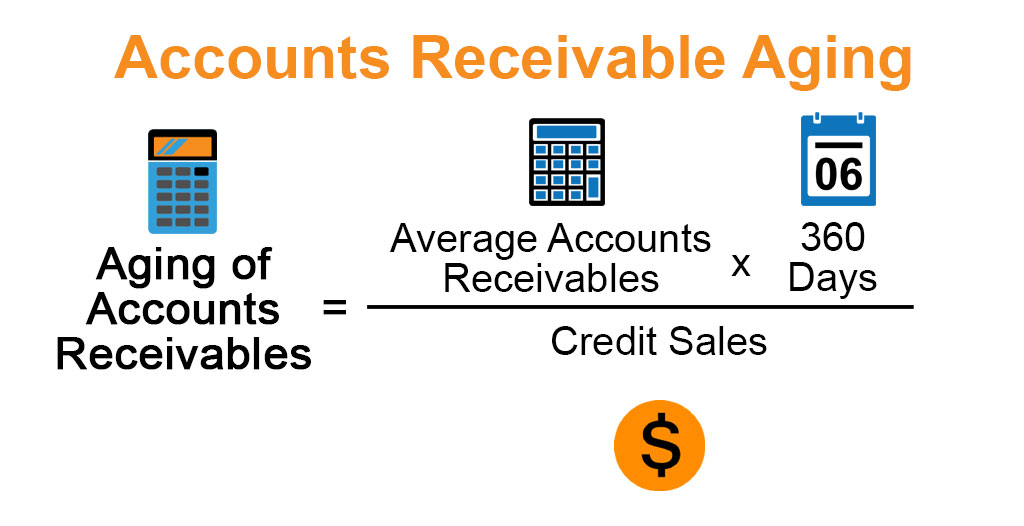
As your business grows, monitoring your accounts receivable becomes even more critical. Regularly review aging reports to identify overdue invoices and take prompt action. Implement a system for following up with clients whose payments are past due. This could involve sending reminders, making phone calls, or even offering payment plans if necessary.

5. Implement a Credit Policy

Having a well-defined credit policy is essential to minimize the risk of late payments or bad debts. Conduct thorough credit checks on new clients before extending credit to them. Set credit limits based on their financial stability and track their payment history. Additionally, be prepared to review and adjust credit limits as the client relationship evolves.

6. Foster Strong Communication

Open and transparent communication is key to avoiding payment delays. Establish a relationship of trust with your clients, where they feel comfortable discussing any potential issues that might affect their ability to pay on time. This proactive approach allows you to address problems early, find solutions together, and maintain a positive business relationship.

7. Offer Multiple Payment Options

Diversifying payment options can expedite the payment process. While traditional methods like checks and bank transfers are common, consider incorporating digital payment methods, credit card payments, and online platforms. The convenience of various payment options can encourage clients to settle their invoices promptly.

8. Leverage Technology

As your business scales, technology can be your greatest ally in managing accounts receivable. Invest in accounting software that offers features like automated reminders, recurring invoices, and easy tracking of payment statuses. These tools not only save time but also enhance accuracy and efficiency in managing your finances.

9. Cross-functional Collaboration

The growth of a business often leads to increased complexity in operations. Collaborate closely with your sales, customer service, and finance teams to ensure a seamless flow of information. When everyone is aligned on customer interactions and payment expectations, it becomes easier to address potential issues before they escalate.

10. Regularly Evaluate Processes

Growth should never mean complacency. Continuously evaluate your accounts receivable processes to identify areas for improvement. Regularly assess your invoicing procedures, credit policies, and communication strategies to ensure they remain effective as your business expands.

In Conclusion

As businesses experience growth, maintaining low accounts receivable days becomes a critical component of financial success. Efficient invoicing, clear payment terms, incentives for early payment, and proactive communication are just a few strategies to keep cash flowing smoothly. By embracing technology, fostering collaboration, and regularly reviewing your processes, you can strike a balance between growth and financial stability, ensuring that your business thrives well into the future.

Like this post? Buy my book, Workflows: How to Design, Improve and Automate High Performance Processes to start your process improvement journey.

Achieve Greater Customer Satisfaction and Profitability With In-The-Field Customer Analysis

Achieve Greater Customer Customer Satisfaction and Profitability With In-The-Field Customer Analysis

In an era where customer expectations are ever-evolving, businesses must constantly adapt to stay relevant and successful. One of the most effective ways to achieve this is by investing in in-field customer analysis. This practice involves gathering real-time data and insights directly from customers on the ground, allowing businesses to make informed decisions that drive both customer satisfaction and profitability.

Understanding the Essence of In-Field Customer Analysis

In-field customer analysis revolves around venturing into the heart of customer interactions. Instead of relying solely on historical data or abstract market research, businesses engage with customers directly to capture their sentiments, needs, and preferences. This approach offers a more holistic view of customer experiences, shedding light on pain points and moments of delight that might go unnoticed through conventional analysis.

The Personalized Touch

Customers today seek personalized experiences that resonate with their unique requirements. In-field customer analysis enables businesses to tailor their offerings to specific customer segments, fostering deeper connections and loyalty. By engaging customers on-site, businesses can identify individual preferences and pain points, leading to more effective solutions that truly address their needs. This personal touch goes a long way in enhancing overall customer satisfaction.

Uncovering Real-time Insights

Traditional market research often involves time-consuming processes that might result in outdated information. In-field customer analysis, on the other hand, provides real-time insights that are invaluable in today’s fast-paced business landscape. Businesses can adapt swiftly to changing customer sentiments and preferences, ensuring that their strategies remain aligned with customer expectations. This agility can significantly boost customer satisfaction and loyalty, giving businesses a competitive edge.

Enhanced Product Development

Creating products or services that resonate with customers requires a deep understanding of their needs. In-field customer analysis provides a direct line of communication between businesses and their customers, enabling them to co-create solutions that genuinely address pain points. By involving customers from the inception stage of product development, businesses can fine-tune their offerings to match customer expectations accurately.

Optimizing Customer Journey

Mapping out the customer journey is a crucial step in ensuring a seamless and enjoyable experience. In-field customer analysis allows businesses to identify touchpoints that might be causing frustration or delight. By analyzing customer interactions in real-world scenarios, businesses can optimize various stages of the customer journey, ultimately leading to increased satisfaction. When customers feel that a business truly understands their journey and caters to their needs, they are more likely to become repeat buyers and advocates.

The Data-driven Advantage

Data is the cornerstone of informed decision-making. In-field customer analysis generates a wealth of data that can be analyzed to derive actionable insights. By tapping into this data goldmine, businesses can identify trends, preferences, and emerging market demands. These insights empower businesses to make strategic choices that resonate with their target audience, resulting in increased profitability. Moreover, data-driven decision-making reduces the risks associated with blind assumptions, leading to more effective resource allocation.

Building Stronger Relationships

Businesses are built on relationships, and in-field customer analysis offers a unique opportunity to build stronger connections. Engaging with customers on-site shows a genuine interest in their experiences, fostering a sense of trust and loyalty. When customers feel valued, they are more likely to become brand advocates, spreading positive word-of-mouth and driving new business. Additionally, the direct interactions during in-field analysis allow businesses to address concerns and grievances immediately, showcasing their commitment to customer satisfaction.

Staying Ahead of Competitors

In a world of fierce competition, businesses must continuously innovate to stay ahead. In-field customer analysis provides a competitive advantage by allowing businesses to be proactive rather than reactive. By staying attuned to customer needs and preferences, businesses can anticipate shifts in the market and adapt their strategies accordingly. This forward-thinking approach ensures that businesses are always one step ahead of their competitors, enhancing both customer satisfaction and profitability.

Conclusion

In-field customer analysis is not just a trend; it’s a strategic imperative for businesses aiming to thrive in today’s customer-centric landscape. By investing in this practice, businesses can uncover real-time insights, enhance the customer journey, personalize experiences, and build stronger relationships. Moreover, the data-driven advantage and competitive edge gained through in-field customer analysis can significantly boost profitability. In a world where customers are the driving force behind success, understanding their needs and preferences through direct engagement is a game-changer that no business can afford to overlook.

Like this post? Buy my book, Workflows: How to Design, Improve and Automate High Performance Processes to start your process improvement journey.
How to Develop Actionable Business Metrics

How to Develop Actionable Business Metrics

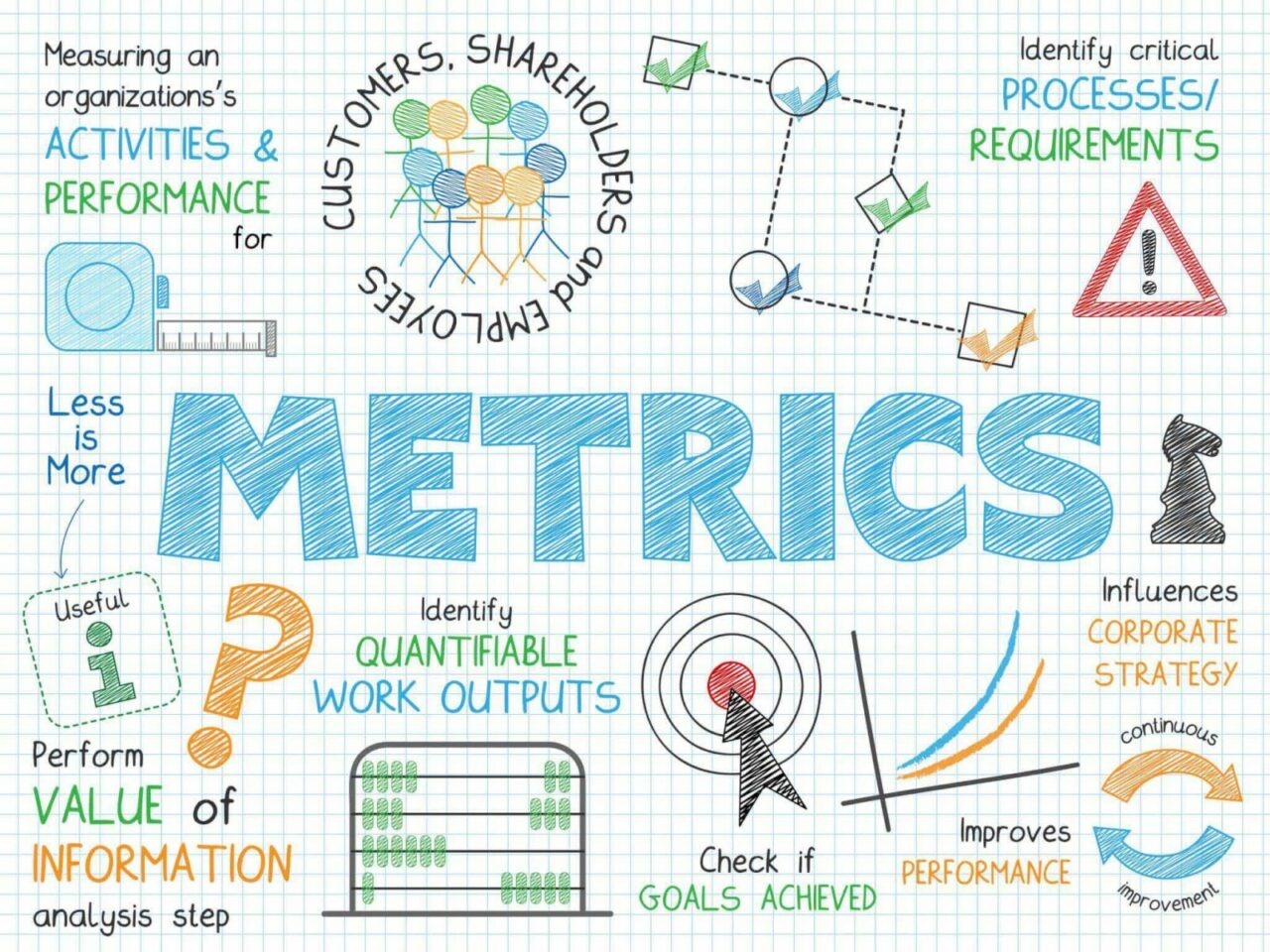
Measuring and improving performance is not just a necessity but a strategic imperative. Companies that succeed are those that not only set objectives but also track their progress and make data-driven decisions for process enhancement. This is where actionable business performance metrics come into play, serving as the compass guiding businesses toward their goals. In this blog post, we will explore how to develop such metrics in tandem with process improvement strategies, ensuring sustained growth and success.

**1. *Understanding Actionable Business Performance Metrics*

Actionable business performance metrics are quantitative measures that track various aspects of a company’s performance and provide insights that lead to informed decisions. These metrics should be actionable, meaning they drive specific actions and improvements within the organization. Developing these metrics requires a deep understanding of the company’s goals, processes, and key performance indicators (KPIs).

2. Defining Clear Objectives

Before developing actionable metrics, it’s crucial to define clear and specific objectives. These objectives could range from increasing sales revenue to reducing customer churn rates or improving production efficiency. Objectives serve as the foundation upon which relevant metrics are built. They should be SMART (Specific, Measurable, Achievable, Relevant, and Time-bound) to ensure they are attainable and meaningful.

3. Identifying Key Performance Indicators (KPIs)

Key Performance Indicators (KPIs) are specific data points that reflect how effectively an organization is achieving its objectives. These indicators vary across industries and companies, but they should always be aligned with the defined objectives. For instance, if the objective is to improve customer satisfaction, KPIs could include Net Promoter Score (NPS), customer retention rates, and customer feedback scores.

4. Mapping Metrics to Processes

To ensure that metrics are actionable, they must be tied to specific business processes. This linkage helps identify the areas where improvements can be made. For instance, if a manufacturing company’s objective is to reduce production defects, the metric could be the number of defects per thousand units produced. This metric is directly connected to the production process, making it actionable.

5. Setting Baselines and Targets

Developing actionable metrics involves establishing baselines (current performance levels) and targets (desired performance levels). Baselines provide a starting point against which progress can be measured, while targets set the direction for improvement. It’s important to set realistic targets that challenge the organization without being overly ambitious.

6. Ensuring Data Accuracy and Accessibility

Accurate and timely data is the backbone of actionable metrics. Companies must invest in data collection, analysis, and reporting systems to ensure that the metrics are based on reliable information. Automation and integration of data sources can greatly enhance the accuracy and accessibility of the required data.

7. Utilizing Visualization Tools

Data, when presented in a visual format, becomes more comprehensible and impactful. Utilize visualization tools like dashboards, graphs, and charts to present metrics in an easily understandable manner. Visualization enhances the ability to identify trends, patterns, and outliers, which aids in making informed decisions.

8. Analyzing and Interpreting Metrics

Metrics don’t speak for themselves; they require thoughtful analysis and interpretation. Regularly reviewing metrics can help identify areas that need improvement. It’s essential to go beyond surface-level numbers and understand the underlying causes and correlations. This analysis provides insights into what changes are necessary to achieve better performance.

9. Implementing Process Improvement Strategies

Actionable metrics should drive process improvement initiatives. Once data has been analyzed and areas for improvement have been identified, it’s time to develop and implement strategies to enhance processes. This could involve process reengineering, employee training, technology upgrades, or changes in resource allocation.

10. Continuously Monitoring and Iterating

Improvement is an ongoing process. Continuously monitor the impact of process improvement strategies on the actionable metrics. Regularly comparing current performance with targets and baselines helps in assessing the effectiveness of the implemented changes. If certain strategies aren’t yielding the desired results, be prepared to iterate and refine the approaches.

11. Fostering a Culture of Continuous Improvement

Developing actionable business performance metrics isn’t just a one-time project; it’s a cultural shift toward continuous improvement. Encourage employees at all levels to participate in the process. Empower them to suggest ideas for process enhancement and make data-driven decisions. This collaborative approach ensures that the entire organization is aligned toward achieving the defined objectives.

12. Celebrating Achievements and Learning from Setbacks

As milestones are achieved and objectives are met, it’s important to celebrate these successes. Recognition and rewards motivate employees to stay committed to the improvement journey. Similarly, setbacks and failures provide valuable learning opportunities. When actionable metrics fall short, analyze the reasons and use the insights gained to refine strategies and come back stronger.

Conclusion

Developing actionable business performance metrics that drive process improvement is a dynamic and continuous endeavor. It involves setting clear objectives, identifying relevant KPIs, mapping metrics to processes, and consistently analyzing data to guide decision-making. The integration of metrics and process improvement cultivates a culture of continuous growth, enabling organizations to adapt and thrive in the ever-changing business environment . Remember, actionable metrics are not just numbers; they are the roadmap to success.

Like this post? Buy my book, Workflows: How to Design, Improve and Automate High Performance Processes to start your process improvement journey.

A Systematic Approach to Higher Golf Course Business Deal Closures

A Systematic Approach to Higher Golf Course Business Deal Closures

Introduction

The art of closing business deals is not just about persuasive communication and a firm handshake; it’s a multifaceted dance that requires finesse, strategy, and a keen understanding of human dynamics. As business professionals seek innovative ways to secure deals, one unexpected avenue that has gained prominence is the golf course. In this blog post, we explore how the principles of process improvement can significantly contribute to closing more business deals on the green. By applying structured methodologies to this seemingly relaxed environment, professionals can elevate their game and increase their success rate in sealing those critical business agreements.

  1. Mapping the Deal-Closing Journey

Just as every business process can benefit from mapping and streamlining, so can the deal-closing journey on the golf course. Professionals often overlook the significance of pre-game preparation. Before teeing off, research about your potential client’s preferences, interests, and any shared hobbies can go a long way in building rapport. By understanding the individual behind the professional facade, you can tailor your approach and discussions to their interests, creating a more comfortable and conducive environment for deal negotiations.

  1. Data-Driven Decision Making

Process improvement thrives on data-driven decision making. Similarly, collecting insights during the golf game can be invaluable. Pay attention to the dynamics between you, your client, and other players in the group. Observe communication styles, reactions to challenges, and interpersonal interactions. Such observations can provide cues on how to navigate negotiations effectively. For instance, if your potential client enjoys friendly competition, a casual bet on the game’s outcome might add a layer of engagement and camaraderie.

  1. Iterative Feedback Loops

Process improvement hinges on iterative feedback loops for refinement. In a golf game, these loops are inherent – every shot provides instant feedback. Translating this to the business context, during moments of informal conversation or between holes, engage in discussions that offer insights into your client’s needs, pain points, and goals. These small yet significant conversations can help you re-calibrate your approach and tailor your value proposition more effectively as the game progresses.

  1. Lean Principles for Efficiency

Applying lean principles can drastically improve deal-closing efficiency. On the golf course, time management is key. Embrace the “lean” mindset by ensuring that conversations are focused and purposeful. Avoid excessive small talk that doesn’t contribute to the business agenda. By respecting your client’s time and maintaining a goal-oriented approach, you demonstrate professionalism and a commitment to efficient communication – qualities that resonate positively in business negotiations.

  1. Kaizen: Continuous Improvement

The Japanese concept of Kaizen, which emphasizes continuous improvement, can be applied to golf-course deal closures. Just as Kaizen encourages incremental enhancements, professionals can focus on improving their golf skills over time. Consider taking golf lessons to become more proficient, showcasing your dedication to improvement. This commitment to growth can also reflect positively on your approach to business deals – a willingness to learn, adapt, and consistently refine your strategies.

  1. Six Sigma Precision in Communication

Six Sigma, known for its focus on reducing defects and variations, can be a game-changer in communication on the golf course. Strive for precision in your interactions. Clearly articulate your points, listen actively, and ask clarifying questions to avoid misunderstandings. Just as Six Sigma seeks to minimize errors, effective communication minimizes the chances of misinterpreting critical deal-related information.

  1. Agile Adaptation

Agility is a hallmark of successful process improvement, and it’s equally valuable in the context of golf-course deal closures. Golf is unpredictable; weather, course conditions, and unexpected interruptions are par for the course. Similarly, in business negotiations, unforeseen challenges can arise. Embrace an agile mindset by maintaining flexibility and adaptability. If a negotiation takes an unexpected turn, pivot gracefully and keep your focus on the end goal.

Conclusion

Closing business deals on the golf course isn’t just a leisurely activity – it’s a strategic opportunity that demands careful planning, effective communication, and a commitment to process improvement principles. By mapping the deal-closing journey, making data-driven decisions, and embracing iterative feedback loops, professionals can elevate their golf-game negotiations. Lean principles ensure efficient interactions, Kaizen promotes continuous growth, and Six Sigma precision enhances communication accuracy. Finally, an agile mindset allows for adaptability in the face of unexpected challenges.

As professionals step onto the golf course with a newfound appreciation for process improvement, they gain a unique advantage – the ability to seamlessly integrate structured methodologies into the seemingly casual atmosphere of a game. The result? A higher success rate in closing business deals, elevated client relationships, and a reputation as a strategic and effective deal-maker. So, whether you’re a seasoned golfer or a novice, remember that every swing, every conversation, and every deal is an opportunity to refine your approach and drive towards success.

Like this post? Buy my book, Workflows: How to Design, Improve and Automate High Performance Processes to start your process improvement journey.

The Continuous Business Strategy

The Continuous Business Strategy

Achieving business strategy success demands more than just a great idea; it necessitates an exceptional strategy executed with precision. While business landscapes continually shift, one aspect remains constant: the significance of process improvement. Integrating process improvement methodologies into your business strategy can elevate your organization’s performance, streamline operations, and create a culture of continuous growth. In this article, we will delve into the key elements of executing a remarkable business strategy through effective process improvement techniques.

**1. ** Define Your Vision and Goals:

Process improvement should never be a blind endeavor. Start by setting clear goals and envisioning where you want your organization to be in the future. These goals should be aligned with your business’s overall vision and mission. A well-defined vision will serve as a guiding light, illuminating the path you need to tread. Whether it’s enhancing customer satisfaction, reducing production costs, or optimizing supply chain logistics, having a goal-oriented approach is crucial for success.

**2. ** Analyze Current Processes:

Before making any changes, it’s vital to understand your existing processes thoroughly. Conduct a comprehensive process analysis to identify bottlenecks, inefficiencies, and areas where improvement is needed. This analysis can involve mapping out workflows, gathering data on performance metrics, and engaging with employees at various levels to gain insights into the challenges they face daily. By having a clear understanding of your current state, you can make more informed decisions about which processes require enhancement.

**3. ** Select the Right Methodology:

The world of process improvement offers various methodologies, such as Lean, Six Sigma, and Agile, each tailored to different organizational needs. Lean focuses on eliminating waste and improving efficiency, Six Sigma emphasizes reducing defects and variability, while Agile centers on flexibility and adaptability. Choosing the right methodology depends on your specific goals and the nature of your business. Integrating these methodologies into your strategy can provide a structured framework for driving improvements.

**4. ** Empower Your Team:

A successful process improvement strategy is not a one-person show. Engage and empower your employees at all levels to contribute their insights and ideas. After all, those on the frontline often possess invaluable knowledge about the daily operations and potential areas for improvement. Create an environment where employees feel encouraged to voice their suggestions without fear of criticism. When your team feels valued and empowered, they are more likely to embrace change and drive the process improvement initiatives forward.

**5. ** Data-Driven Decision Making:

Gone are the days of relying solely on intuition for strategic decisions. Incorporate data-driven decision-making processes into your strategy. Implementing key performance indicators (KPIs) and metrics helps you track progress and measure the impact of process improvements. Regularly analyze the data to identify trends, patterns, and deviations, allowing you to make informed adjustments and fine-tune your strategy as needed.

**6. ** Create a Roadmap:

Process improvement isn’t an overnight transformation; it’s a journey. Develop a well-structured roadmap that outlines the steps, milestones, and timelines for implementing your strategy. This roadmap should align with your business’s overall strategic plan and integrate seamlessly with other initiatives. By having a clear roadmap, you provide your team with a sense of direction and purpose, reducing confusion and promoting accountability.

**7. ** Foster a Culture of Continuous Improvement:

Process improvement should be woven into the fabric of your organization’s culture. Encourage a mindset of continuous learning, adaptation, and evolution. Celebrate successes and acknowledge efforts made toward improvement. Also, recognize that failures are stepping stones toward growth; they provide valuable insights for refining your strategy. When process improvement becomes ingrained in your culture, it’s no longer just a projectβ€”it’s a way of doing business.

**8. ** Invest in Training and Development:

Equipping your team with the necessary skills and knowledge is essential for successful process improvement. Invest in training programs that educate employees about the chosen methodologies, tools, and techniques. When your team understands the principles behind process improvement and has the expertise to implement them, the strategy becomes more effective and sustainable.

**9. ** Iterate and Adapt:

The business landscape is ever-evolving, and so should your strategy. Regularly review and reassess your processes to ensure they remain aligned with your goals and adaptable to changing circumstances. Solicit feedback from stakeholders and incorporate their perspectives to make continuous improvements. Flexibility and willingness to iterate are key attributes of a successful process improvement strategy.

**10. ** Celebrate Achievements:

As your process improvement efforts yield results, don’t forget to celebrate your achievements. Recognize and reward the individuals and teams that contributed to these successes. Celebrations not only boost morale but also reinforce the importance of process improvement as a catalyst for growth.

In conclusion, a well-executed business strategy combined with process improvement methodologies can be a powerful formula for success. By envisioning clear goals, analyzing existing processes, engaging your team, making data-driven decisions, fostering a culture of continuous improvement, and adapting to change, your organization can thrive in today’s competitive landscape. Remember that process improvement is not a one-time project, but an ongoing journey that requires dedication, collaboration, and a commitment to excellence. As you integrate these principles into your strategy, you’re setting your business on a path toward sustainable growth and continuous innovation.

Like this post? Buy my book, Workflows: How to Design, Improve and Automate High Performance Processes to start your process improvement journey.
Enhancing Sustainability: The Transformative Power of Process Improvement for Companies

Enhancing Sustainability: The Transformative Power of Process Improvement for Companies

Introduction

In an era where environmental concerns and social responsibility are at the forefront of global conversations, companies are increasingly recognizing the vital importance of integrating sustainable practices into their operations. A robust sustainability strategy not only benefits the planet but also holds the potential to enhance a company’s long-term profitability and competitiveness. One powerful tool in achieving this integration is process improvement. By optimizing internal processes, companies can drive efficiency, reduce waste, conserve resources, and strengthen their commitment to sustainability. In this blog post, we will explore the myriad ways in which process improvement can bolster a company’s sustainability strategy.

  1. Resource Conservation

Process improvement methodologies such as Lean and Six Sigma are designed to minimize waste and inefficiency in operations. By identifying and eliminating non-value-added activities, companies can significantly reduce their resource consumption. This, in turn, leads to lower energy consumption, decreased water usage, and reduced material waste. Not only does this help conserve precious resources, but it also contributes to cost savings, making the company more financially resilient in the long run.

  1. Carbon Footprint Reduction

Efficient processes often lead to reduced energy consumption, which directly translates to lower greenhouse gas emissions. Through process improvement, companies can streamline their operations, optimize transportation routes, and implement energy-efficient technologies. These initiatives collectively contribute to a smaller carbon footprint, aligning the company with global efforts to combat climate change.

  1. Improved Operational Efficiency

Process improvement methodologies focus on identifying bottlenecks, redundancies, and inefficiencies in workflows. By enhancing the efficiency of operations, companies can achieve higher output with the same or fewer resources. This not only reduces the strain on the environment but also enables the company to meet growing demand while minimizing its ecological impact.

  1. Waste Reduction and Recycling

One of the core principles of process improvement is waste reduction. By implementing strategies to minimize waste generation and adopting recycling programs, companies can divert significant amounts of waste from landfills. This not only contributes to a cleaner environment but also showcases the company’s commitment to responsible waste management.

  1. Innovation and Product Development

Process improvement encourages a culture of innovation within the company. Employees are empowered to suggest and implement changes that drive efficiency and sustainability. This culture of innovation can extend to product development, leading to the creation of eco-friendly and sustainable products that resonate with environmentally conscious consumers.

  1. Regulatory Compliance and Risk Management

Sustainability regulations and standards are becoming increasingly stringent. By optimizing processes and ensuring compliance with these regulations, companies can mitigate risks associated with non-compliance fines and reputational damage. Process improvement provides a structured approach to achieving and maintaining compliance with environmental laws.

  1. Employee Engagement and Well-being

Engaged and motivated employees are more likely to actively contribute to a company’s sustainability efforts. Process improvement initiatives that involve employees in decision-making and problem-solving can foster a sense of ownership and pride in sustainability achievements. Moreover, improvements in working conditions and streamlined processes can enhance employee well-being, leading to higher morale and productivity.

  1. Supply Chain Optimization

Sustainability is a collaborative effort that extends beyond a company’s walls. By improving internal processes, companies can also drive positive change in their supply chains. Collaborating with suppliers to adopt sustainable practices can result in reduced environmental impact throughout the entire value chain.

  1. Reputation and Stakeholder Relations

Companies with strong sustainability strategies are often viewed more favorably by consumers, investors, and the general public. Effective process improvement not only enhances a company’s environmental performance but also contributes to its reputation as a responsible corporate citizen. Positive public perception can lead to increased customer loyalty, better investor relations, and stronger stakeholder engagement.

  1. Long-Term Resilience

Sustainability is not a short-term trend; it’s a long-term commitment. Process improvement equips companies with the tools they need to continuously adapt and evolve in a rapidly changing business landscape. By integrating sustainability into their core operations, companies can build long-term resilience and position themselves for success in an increasingly sustainability-focused world.

Conclusion

Process improvement is a powerful and versatile tool that can significantly enhance a company’s sustainability strategy. From resource conservation and waste reduction to employee engagement and supply chain optimization, the benefits of process improvement extend across various facets of a company’s operations. Embracing these methodologies not only contributes to a healthier planet but also positions companies as leaders in sustainability, driving innovation, efficiency, and long-term success. As businesses continue to evolve, it is clear that the marriage of process improvement and sustainability is a formula for enduring growth and positive global impact.

Like this post? Buy my book, Workflows: How to Design, Improve and Automate High Performance Processes to start your process improvement journey.
Sustaining DMAIC Improvements: A Blueprint for Long-Term Success

Sustaining DMAIC Improvements: A Blueprint for Long-Term Success

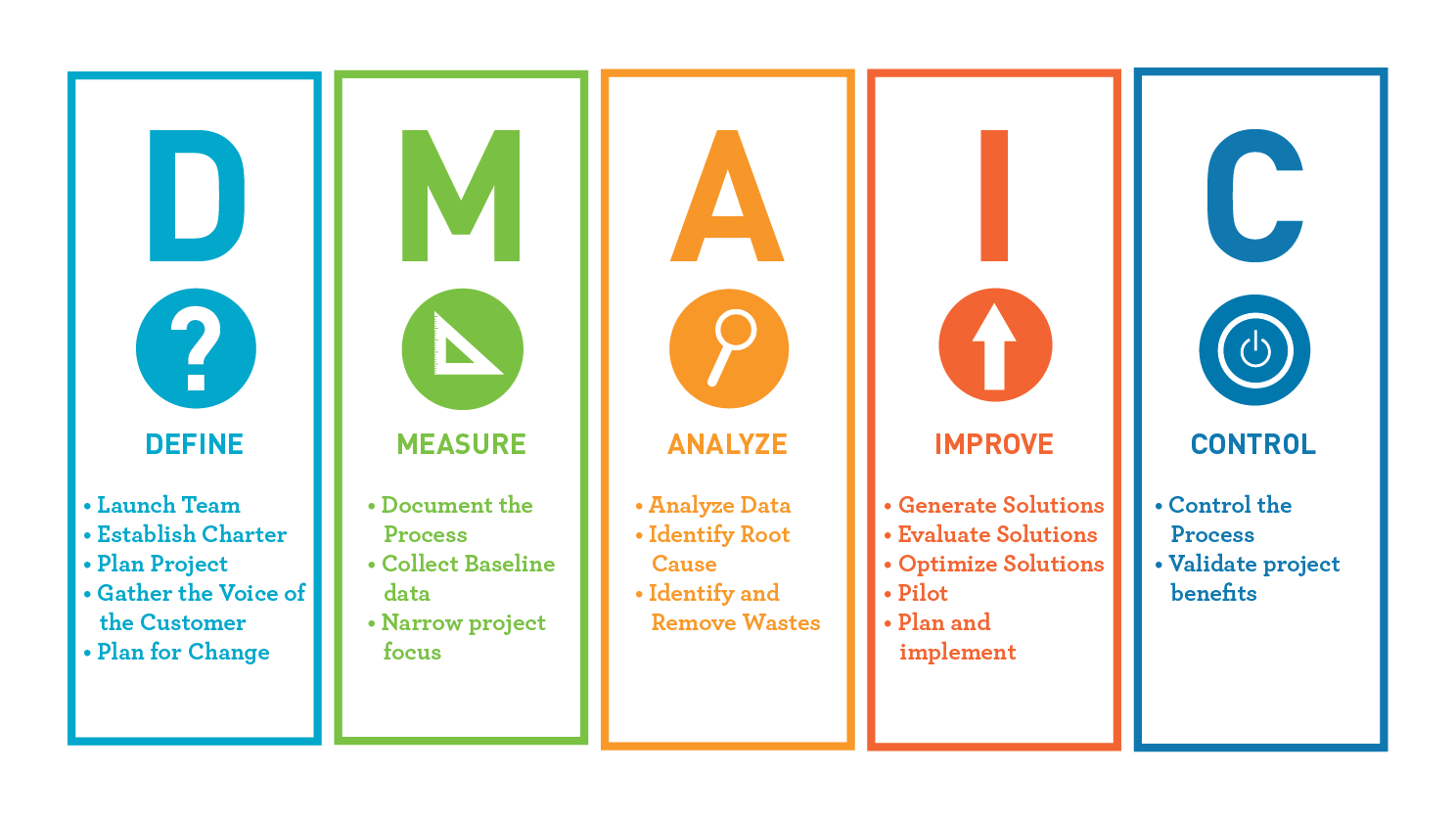
The dynamic nature of business necessitates a constant quest for improvement and optimization. DMAIC (Define, Measure, Analyze, Improve, Control) is a structured methodology that empowers organizations to enhance processes, reduce defects, and increase efficiency. Yet, achieving and maintaining DMAIC improvements is not a one-time endeavor; it requires a comprehensive approach that integrates the principles of continuous improvement. In this article, we delve into the strategies and practices that facilitate the long-term sustenance of DMAIC improvements, ensuring that your organization thrives in an ever-evolving landscape.

1. Cultivate a Culture of Continuous Learning and Adaptation:

A foundational aspect of sustaining DMAIC improvements is fostering a culture that values learning and adapts to changes. Encourage your team members to seek out new insights, attend workshops, and engage in knowledge-sharing sessions. Promote open communication where ideas are exchanged freely, allowing for the identification of potential areas of improvement even after the DMAIC project has been completed.

2. Empower Ownership and Accountability:

For DMAIC improvements to last, ownership and accountability must be instilled at every level of the organization. Assign roles and responsibilities clearly, ensuring that each team member understands their contribution to the sustained success of the project. When individuals take pride in their responsibilities, they are more likely to remain committed to upholding the improvements over time.

3. Regularly Monitor Key Performance Indicators (KPIs):

An effective way to track the longevity of DMAIC improvements is through the consistent monitoring of relevant KPIs. These metrics serve as quantifiable indicators of the project’s success and provide insight into whether the improvements are being upheld. Regularly analyze the KPI data, identifying any anomalies or deviations that may indicate a decline in the effectiveness of the implemented changes.

4. Establish a Robust Feedback Loop:

Feedback is a critical component of improvement sustainability. Create a structured feedback loop that encourages employees to share their observations, concerns, and suggestions related to the DMAIC improvements. By addressing potential issues in real-time, you can prevent minor challenges from escalating and maintain the integrity of the project’s outcomes.

5. Invest in Ongoing Training and Skill Development:

To ensure that the workforce remains adept at executing the optimized processes, invest in continuous training and skill development. As technology evolves and best practices change, equipping your team with the necessary knowledge and competencies ensures that they can effectively maintain the DMAIC improvements.

6. Leverage Technology for Enhanced Control:

In the digital age, technology plays a pivotal role in maintaining DMAIC improvements. Implement software solutions that enable real-time monitoring, data analysis, and automated alerts. These tools enhance your ability to identify and rectify deviations from the improved processes promptly.

7. Conduct Regular Process Audits:

Scheduled process audits are essential for evaluating the ongoing effectiveness of the DMAIC improvements. Audits provide an opportunity to assess whether the documented processes are being followed correctly and whether any deviations have occurred. By conducting audits, you can identify potential areas of concern and take corrective actions before they adversely impact the outcomes.

8. Encourage a Mindset of Continuous Improvement:

DMAIC improvements are a stepping stone toward achieving a culture of continuous improvement. Encourage your team to view the DMAIC project as a starting point rather than a final destination. This mindset shift fosters a proactive approach to seeking out new opportunities for enhancement, ensuring that the organization remains agile and adaptable.

9. Celebrate Milestones and Successes:

Acknowledging and celebrating milestones and successes is crucial for sustaining DMAIC improvements. Recognition serves as motivation for team members to uphold the changes and remain committed to the project’s goals. Whether through small rewards, team celebrations, or public acknowledgments, make an effort to appreciate the dedication and effort invested in the improvement journey.

10. Foster Cross-Functional Collaboration:

Collaboration across departments and functions is instrumental in maintaining DMAIC improvements. Encourage teams to work together, sharing insights and perspectives that contribute to the ongoing refinement of processes. Cross-functional collaboration not only strengthens the project’s outcomes but also promotes a sense of shared responsibility for its sustainability.

In conclusion, the journey to maintaining DMAIC improvements goes beyond the completion of the initial project. It requires a multifaceted approach that encompasses culture, accountability, monitoring, and continuous learning. By cultivating a culture of continuous improvement and embracing the principles outlined in this article, your organization can ensure that the benefits of DMAIC enhancements endure, allowing you to thrive in an ever-changing business landscape.

Like this post? Buy my book, Workflows: How to Design, Improve and Automate High Performance Processes to start your process improvement journey.