
In the intricate web of today’s corporate world, supply chains stand as the lifeblood of commerce, orchestrating the movement of goods and resources across the globe. However, the success of these supply chains relies not just on logistics and operations but also on the people behind the scenes. Attracting and retaining top talent is an ongoing challenge, but the solution might be closer than we think. Process improvement, often underestimated in its impact, can be the key to not only optimizing supply chain operations but also creating an environment that appeals to skilled professionals. Let’s delve into how the art of process improvement can redefine talent acquisition and retention strategies in the supply chain landscape.
Author Archives: Notable Office
Unlocking Business Insights: The Crucial Role of Granular Customer Data Analysis

In today’s dynamic and constantly shifting business environment, the importance of data cannot be overstated. It serves as the foundation upon which informed decisions are made, strategies are formulated, and solutions are crafted. Specifically, customer data stands as a goldmine of insights waiting to be unearthed. However, not all data is created equal. To truly harness its power, businesses must delve into granular customer data analysis. This involves breaking down data into its finest components, enabling organizations to gain a deeper understanding of their customers and ultimately solve complex business problems.
Unlocking Process Excellence: The Imperative of Breaking Departmental Silos for Company-Wide Success

In the world of business, the pursuit of excellence is an unwavering goal. Achieving this excellence, however, is not solely about individual departments excelling in isolation. Rather, it hinges on the seamless collaboration and alignment of various departments across the organization. This is where the notion of breaking down departmental silos comes into play. In this article, we delve into the critical importance of shattering these barriers to foster process excellence throughout the company.
Strategies for Maintaining Low Accounts Receivable Days During Business Growth

Growth is a pivotal goal for any organization. As companies expand, it becomes crucial to manage various operational aspects effectively. One such critical aspect is the management of accounts receivable. Maintaining low accounts receivable days, even amidst growth, is essential for ensuring a healthy cash flow and sustaining financial stability. In this article, we’ll explore some practical strategies to achieve this goal without losing sight of the big picture.
Achieve Greater Customer Satisfaction and Profitability With In-The-Field Customer Analysis

In an era where customer expectations are ever-evolving, businesses must constantly adapt to stay relevant and successful. One of the most effective ways to achieve this is by investing in in-field customer analysis. This practice involves gathering real-time data and insights directly from customers on the ground, allowing businesses to make informed decisions that drive both customer satisfaction and profitability.
How to Develop Actionable Business Metrics
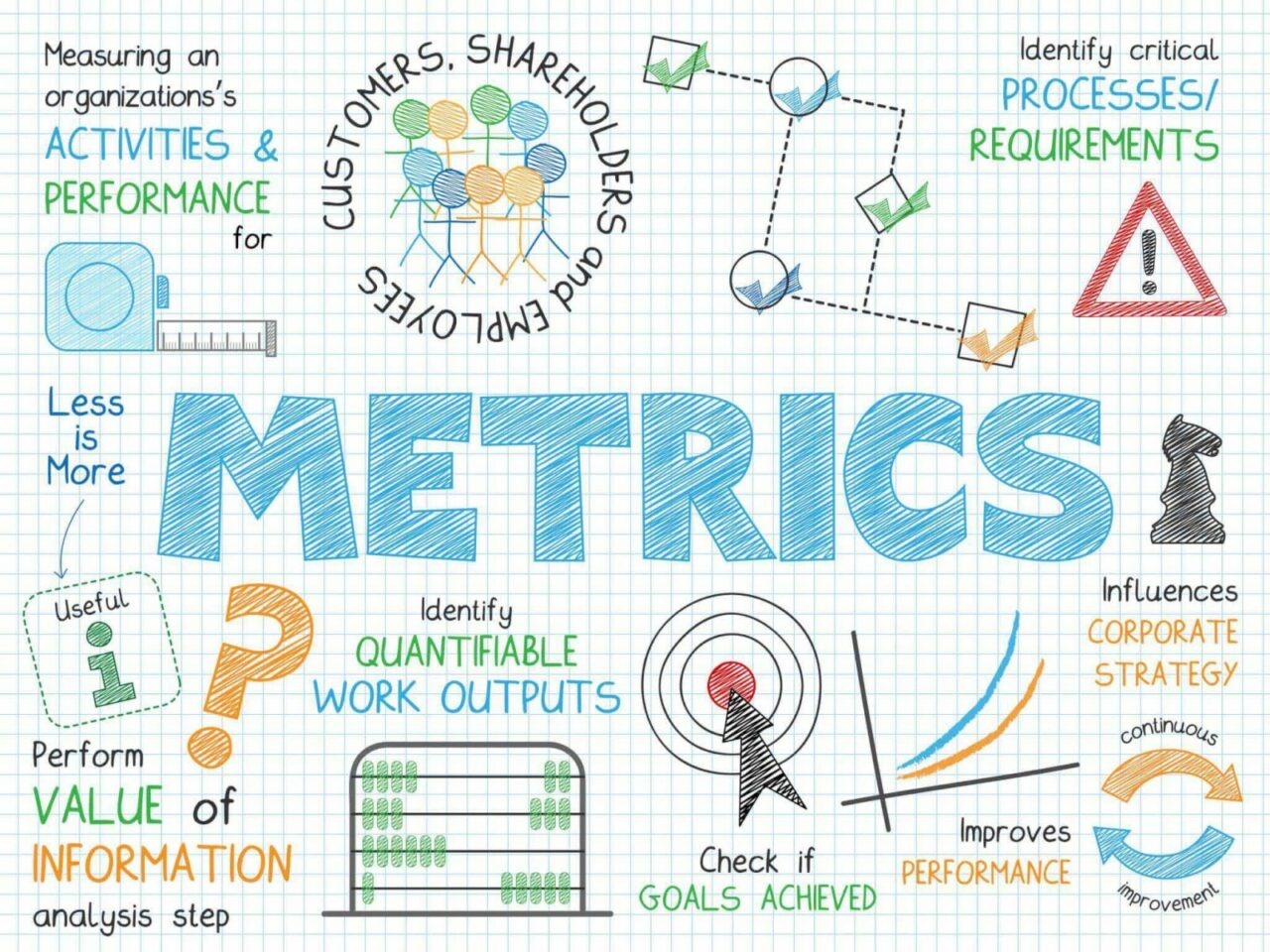
Measuring and improving performance is not just a necessity but a strategic imperative. Companies that succeed are those that not only set objectives but also track their progress and make data-driven decisions for process enhancement. This is where actionable business performance metrics come into play, serving as the compass guiding businesses toward their goals. In this blog post, we will explore how to develop such metrics in tandem with process improvement strategies, ensuring sustained growth and success.
A Systematic Approach to Higher Golf Course Business Deal Closures

The art of closing business deals is not just about persuasive communication and a firm handshake; it’s a multifaceted dance that requires finesse, strategy, and a keen understanding of human dynamics. As business professionals seek innovative ways to secure deals, one unexpected avenue that has gained prominence is the golf course. In this blog post, we explore how the principles of process improvement can significantly contribute to closing more business deals on the green. By applying structured methodologies to this seemingly relaxed environment, professionals can elevate their game and increase their success rate in sealing those critical business agreements.
The Continuous Business Strategy

Achieving business strategy success demands more than just a great idea; it necessitates an exceptional strategy executed with precision. While business landscapes continually shift, one aspect remains constant: the significance of process improvement. Integrating process improvement methodologies into your business strategy can elevate your organization’s performance, streamline operations, and create a culture of continuous growth. In this article, we will delve into the key elements of executing a remarkable business strategy through effective process improvement techniques.
Enhancing Sustainability: The Transformative Power of Process Improvement for Companies

In an era where environmental concerns and social responsibility are at the forefront of global conversations, companies are increasingly recognizing the vital importance of integrating sustainable practices into their operations. A robust sustainability strategy not only benefits the planet but also holds the potential to enhance a company’s long-term profitability and competitiveness. One powerful tool in achieving this integration is process improvement. By optimizing internal processes, companies can drive efficiency, reduce waste, conserve resources, and strengthen their commitment to sustainability. In this blog post, we will explore the myriad ways in which process improvement can bolster a company’s sustainability strategy.
Sustaining DMAIC Improvements: A Blueprint for Long-Term Success

The dynamic nature of business necessitates a constant quest for improvement and optimization. DMAIC (Define, Measure, Analyze, Improve, Control) is a structured methodology that empowers organizations to enhance processes, reduce defects, and increase efficiency. Yet, achieving and maintaining DMAIC improvements is not a one-time endeavor; it requires a comprehensive approach that integrates the principles of continuous improvement. In this article, we delve into the strategies and practices that facilitate the long-term sustenance of DMAIC improvements, ensuring that your organization thrives in an ever-evolving landscape.
 Notable