
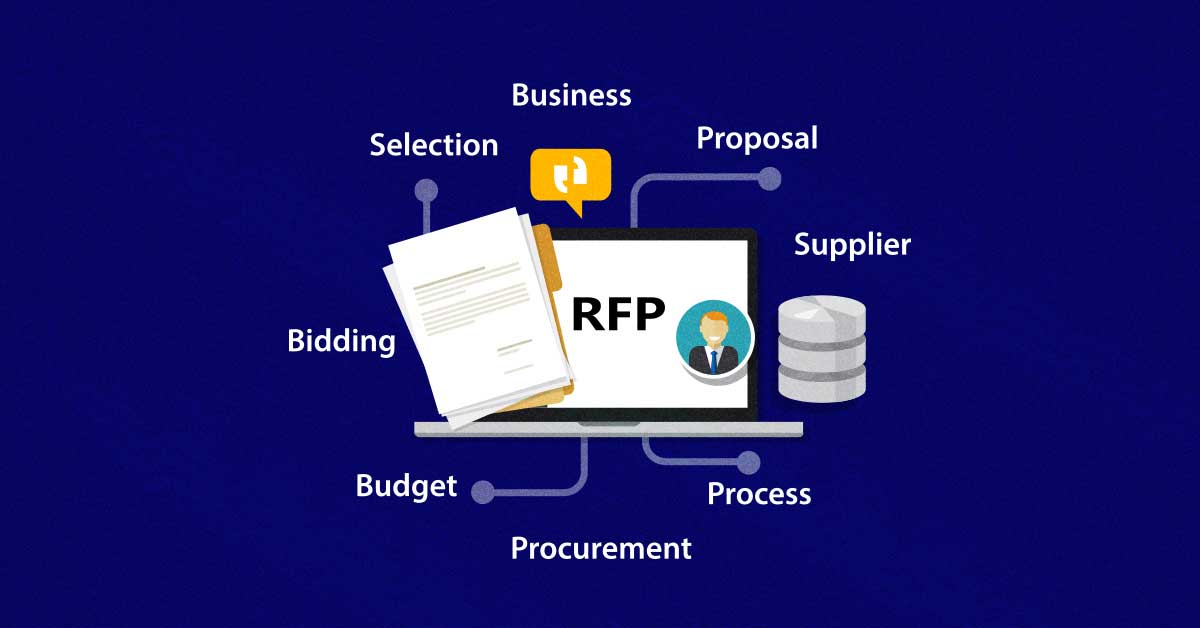
In today’s dynamic and competitive business world, closing deals swiftly can make all the difference. The ability to streamline your processes, especially when it comes to Request for Proposals (RFPs), can significantly reduce the time it takes to finalize important agreements. RFPs are a fundamental part of the business world, but the traditional manual approach can be time-consuming and resource-intensive. In this article, we will explore how to expedite business deal closures through RFP template automation, helping you gain a competitive edge and achieve faster results.
The Challenge of Time in Business Deal Closures
Before diving into the solutions, let’s examine why reducing the time it takes to close business deals is essential. In a fast-paced business environment, where opportunities can arise and vanish quickly, agility is crucial. Delayed deal closures can result in missed opportunities, increased costs, and even the loss of potential clients. Therefore, it’s paramount to find ways to expedite the process.
The Power of RFPs in Business Deal Closures
Request for Proposals (RFPs) are a cornerstone of the procurement process for both buyers and sellers. They serve as a structured method for organizations to solicit bids from potential suppliers and evaluate them on various parameters. However, the traditional RFP creation and response process can be a bottleneck, causing unnecessary delays.
RFP Template Automation: A Game-Changer
Automating the RFP process is a game-changer when it comes to closing business deals quickly. By leveraging technology and creating standardized RFP templates, organizations can save time, reduce errors, and enhance collaboration. Here’s how you can implement RFP template automation effectively:
- Standardize RFP Templates: Start by developing standardized RFP templates that cover the essential information required for your industry or specific project. These templates should include sections for project scope, objectives, timelines, evaluation criteria, and legal terms.
- Leverage RFP Software: Invest in RFP management software that allows you to create, store, and manage RFP templates efficiently. This software often comes with features like collaboration tools, version control, and analytics to track progress.
- Customization and Personalization: While standardization is crucial, the ability to customize RFP templates for specific clients or projects is equally important. RFP software should allow you to tailor your templates quickly and easily.
- Automated Content Library: Create a library of frequently used content, such as case studies, testimonials, and technical specifications. RFP software can automatically suggest and insert relevant content into your templates, saving time on content creation.
- Integration with CRM Systems: Integrate your RFP software with Customer Relationship Management (CRM) systems to access client data and history. This integration streamlines the process of selecting the right template and personalizing it for each client.
- Workflow Automation: Implement workflow automation to assign tasks, set deadlines, and track progress. Automation ensures that everyone involved in the RFP process stays on the same page and meets their deadlines.
- Real-time Collaboration: Enable real-time collaboration on RFPs. Cloud-based RFP software allows team members to work on documents simultaneously, reducing response time.
- Automated Review and Approval: Implement automated review and approval processes to ensure that RFPs meet quality standards before submission. This reduces the risk of errors and rework.
- Response Analytics: Utilize analytics provided by your RFP software to track how clients engage with your proposals. Insights into which sections are most frequently viewed can help you fine-tune your RFPs for better results.
- Continuous Improvement: Regularly review and update your RFP templates based on feedback and changing market dynamics. Continuous improvement ensures that your templates remain effective in different scenarios.
The Benefits of RFP Template Automation
Implementing RFP template automation brings a multitude of benefits, all of which contribute to faster business deal closures:
- Time Efficiency: The most immediate advantage is the significant reduction in the time it takes to create and respond to RFPs.
- Consistency: Standardized templates ensure consistency in messaging and branding, strengthening your company’s image.
- Reduced Errors: Automation minimizes the risk of errors in proposals, enhancing professionalism and credibility.
- Enhanced Collaboration: Real-time collaboration fosters teamwork among stakeholders, leading to better RFP responses.
- Data-Driven Decisions: Analytics provide valuable insights for making data-driven decisions and optimizing future RFPs.
- Improved Client Relationships: Faster response times and customized proposals can positively impact client relationships.
In conclusion, embracing RFP template automation is a powerful strategy for reducing the time it takes to close business deals. This approach not only streamlines the RFP process but also improves collaboration, consistency, and client relationships. By implementing the ten steps outlined above, organizations can gain a competitive advantage in a fast-paced business environment.
Notable Office can help with custom Request For Proposal Templates that can be personalized for common and average projects in turn automating the RFP process. We also have free generic templates and process improvement tools here.
 Notable