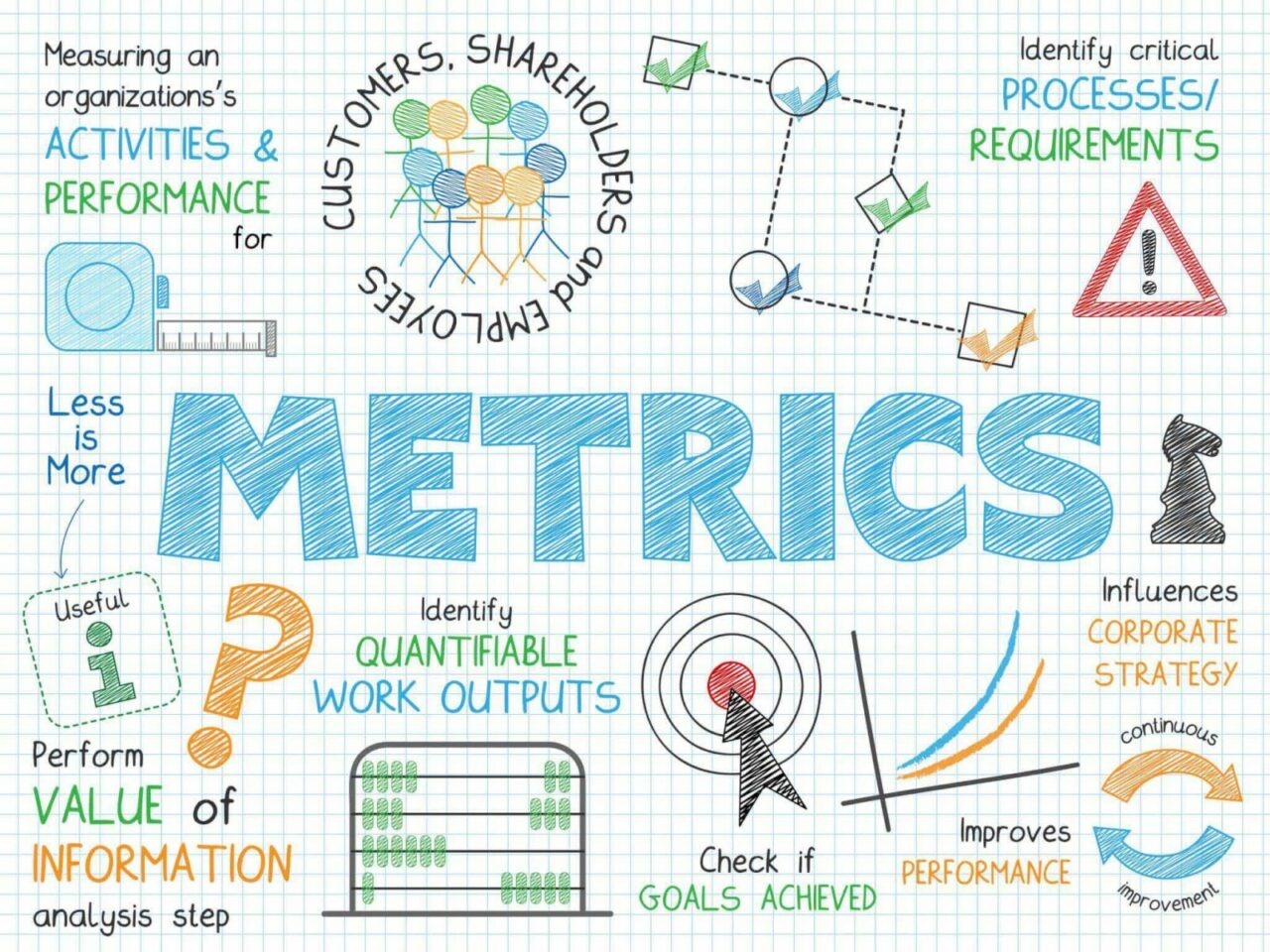
Measuring and improving performance is not just a necessity but a strategic imperative. Companies that succeed are those that not only set objectives but also track their progress and make data-driven decisions for process enhancement. This is where actionable business performance metrics come into play, serving as the compass guiding businesses toward their goals. In this blog post, we will explore how to develop such metrics in tandem with process improvement strategies, ensuring sustained growth and success.
**1. *Understanding Actionable Business Performance Metrics*
Actionable business performance metrics are quantitative measures that track various aspects of a company’s performance and provide insights that lead to informed decisions. These metrics should be actionable, meaning they drive specific actions and improvements within the organization. Developing these metrics requires a deep understanding of the company’s goals, processes, and key performance indicators (KPIs).
2. Defining Clear Objectives
Before developing actionable metrics, it’s crucial to define clear and specific objectives. These objectives could range from increasing sales revenue to reducing customer churn rates or improving production efficiency. Objectives serve as the foundation upon which relevant metrics are built. They should be SMART (Specific, Measurable, Achievable, Relevant, and Time-bound) to ensure they are attainable and meaningful.
3. Identifying Key Performance Indicators (KPIs)
Key Performance Indicators (KPIs) are specific data points that reflect how effectively an organization is achieving its objectives. These indicators vary across industries and companies, but they should always be aligned with the defined objectives. For instance, if the objective is to improve customer satisfaction, KPIs could include Net Promoter Score (NPS), customer retention rates, and customer feedback scores.
4. Mapping Metrics to Processes
To ensure that metrics are actionable, they must be tied to specific business processes. This linkage helps identify the areas where improvements can be made. For instance, if a manufacturing company’s objective is to reduce production defects, the metric could be the number of defects per thousand units produced. This metric is directly connected to the production process, making it actionable.
5. Setting Baselines and Targets
Developing actionable metrics involves establishing baselines (current performance levels) and targets (desired performance levels). Baselines provide a starting point against which progress can be measured, while targets set the direction for improvement. It’s important to set realistic targets that challenge the organization without being overly ambitious.
6. Ensuring Data Accuracy and Accessibility
Accurate and timely data is the backbone of actionable metrics. Companies must invest in data collection, analysis, and reporting systems to ensure that the metrics are based on reliable information. Automation and integration of data sources can greatly enhance the accuracy and accessibility of the required data.
7. Utilizing Visualization Tools
Data, when presented in a visual format, becomes more comprehensible and impactful. Utilize visualization tools like dashboards, graphs, and charts to present metrics in an easily understandable manner. Visualization enhances the ability to identify trends, patterns, and outliers, which aids in making informed decisions.
8. Analyzing and Interpreting Metrics
Metrics don’t speak for themselves; they require thoughtful analysis and interpretation. Regularly reviewing metrics can help identify areas that need improvement. It’s essential to go beyond surface-level numbers and understand the underlying causes and correlations. This analysis provides insights into what changes are necessary to achieve better performance.
9. Implementing Process Improvement Strategies
Actionable metrics should drive process improvement initiatives. Once data has been analyzed and areas for improvement have been identified, it’s time to develop and implement strategies to enhance processes. This could involve process reengineering, employee training, technology upgrades, or changes in resource allocation.
10. Continuously Monitoring and Iterating
Improvement is an ongoing process. Continuously monitor the impact of process improvement strategies on the actionable metrics. Regularly comparing current performance with targets and baselines helps in assessing the effectiveness of the implemented changes. If certain strategies aren’t yielding the desired results, be prepared to iterate and refine the approaches.
11. Fostering a Culture of Continuous Improvement
Developing actionable business performance metrics isn’t just a one-time project; it’s a cultural shift toward continuous improvement. Encourage employees at all levels to participate in the process. Empower them to suggest ideas for process enhancement and make data-driven decisions. This collaborative approach ensures that the entire organization is aligned toward achieving the defined objectives.
12. Celebrating Achievements and Learning from Setbacks
As milestones are achieved and objectives are met, it’s important to celebrate these successes. Recognition and rewards motivate employees to stay committed to the improvement journey. Similarly, setbacks and failures provide valuable learning opportunities. When actionable metrics fall short, analyze the reasons and use the insights gained to refine strategies and come back stronger.
Conclusion
Developing actionable business performance metrics that drive process improvement is a dynamic and continuous endeavor. It involves setting clear objectives, identifying relevant KPIs, mapping metrics to processes, and consistently analyzing data to guide decision-making. The integration of metrics and process improvement cultivates a culture of continuous growth, enabling organizations to adapt and thrive in the ever-changing business environment . Remember, actionable metrics are not just numbers; they are the roadmap to success.
Like this post? Buy my book, Workflows: How to Design, Improve and Automate High Performance Processes to start your process improvement journey.
 Notable