
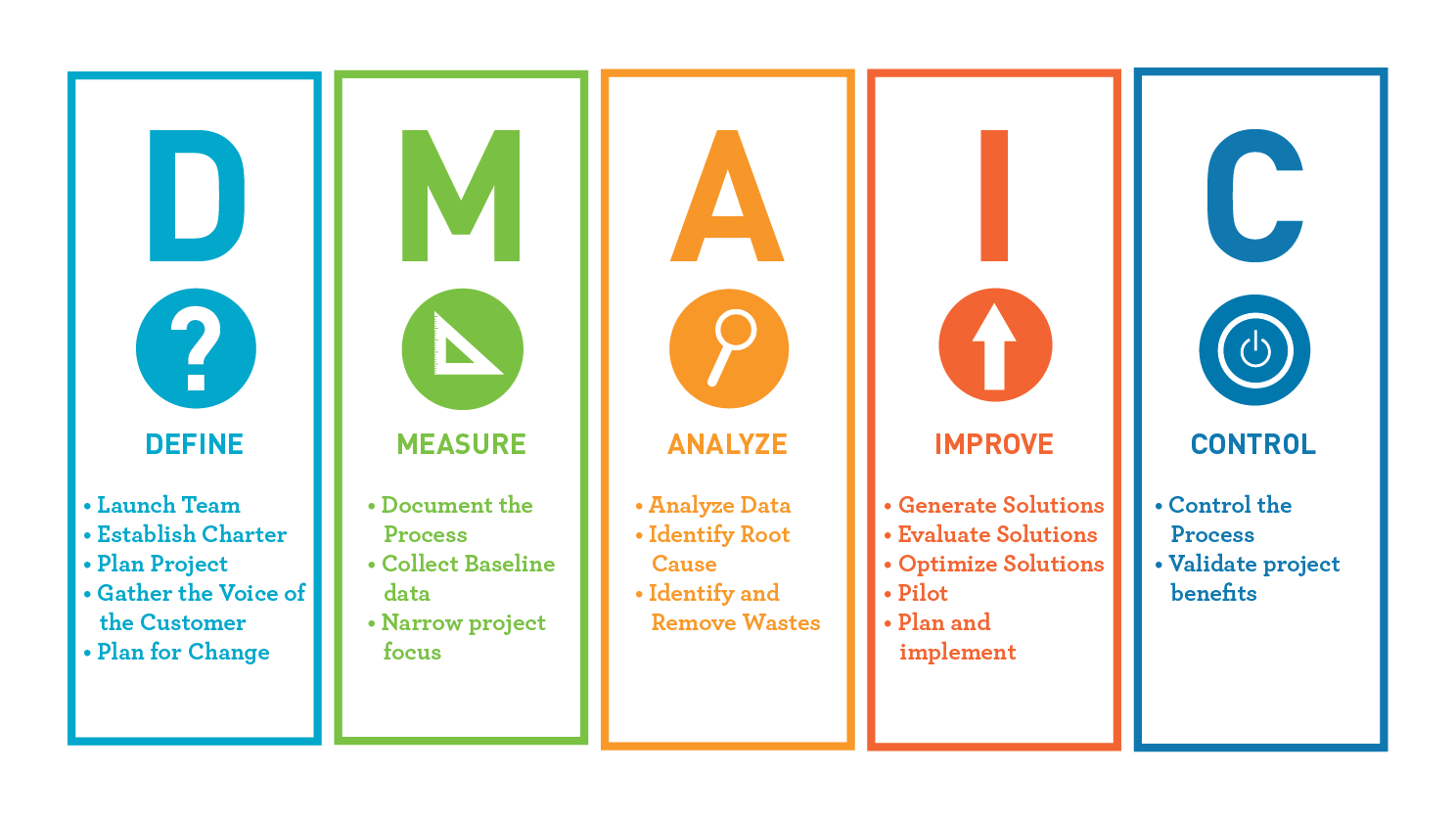
The dynamic nature of business necessitates a constant quest for improvement and optimization. DMAIC (Define, Measure, Analyze, Improve, Control) is a structured methodology that empowers organizations to enhance processes, reduce defects, and increase efficiency. Yet, achieving and maintaining DMAIC improvements is not a one-time endeavor; it requires a comprehensive approach that integrates the principles of continuous improvement. In this article, we delve into the strategies and practices that facilitate the long-term sustenance of DMAIC improvements, ensuring that your organization thrives in an ever-evolving landscape.
1. Cultivate a Culture of Continuous Learning and Adaptation:
A foundational aspect of sustaining DMAIC improvements is fostering a culture that values learning and adapts to changes. Encourage your team members to seek out new insights, attend workshops, and engage in knowledge-sharing sessions. Promote open communication where ideas are exchanged freely, allowing for the identification of potential areas of improvement even after the DMAIC project has been completed.
2. Empower Ownership and Accountability:
For DMAIC improvements to last, ownership and accountability must be instilled at every level of the organization. Assign roles and responsibilities clearly, ensuring that each team member understands their contribution to the sustained success of the project. When individuals take pride in their responsibilities, they are more likely to remain committed to upholding the improvements over time.
3. Regularly Monitor Key Performance Indicators (KPIs):
An effective way to track the longevity of DMAIC improvements is through the consistent monitoring of relevant KPIs. These metrics serve as quantifiable indicators of the project’s success and provide insight into whether the improvements are being upheld. Regularly analyze the KPI data, identifying any anomalies or deviations that may indicate a decline in the effectiveness of the implemented changes.
4. Establish a Robust Feedback Loop:
Feedback is a critical component of improvement sustainability. Create a structured feedback loop that encourages employees to share their observations, concerns, and suggestions related to the DMAIC improvements. By addressing potential issues in real-time, you can prevent minor challenges from escalating and maintain the integrity of the project’s outcomes.
5. Invest in Ongoing Training and Skill Development:
To ensure that the workforce remains adept at executing the optimized processes, invest in continuous training and skill development. As technology evolves and best practices change, equipping your team with the necessary knowledge and competencies ensures that they can effectively maintain the DMAIC improvements.
6. Leverage Technology for Enhanced Control:
In the digital age, technology plays a pivotal role in maintaining DMAIC improvements. Implement software solutions that enable real-time monitoring, data analysis, and automated alerts. These tools enhance your ability to identify and rectify deviations from the improved processes promptly.
7. Conduct Regular Process Audits:
Scheduled process audits are essential for evaluating the ongoing effectiveness of the DMAIC improvements. Audits provide an opportunity to assess whether the documented processes are being followed correctly and whether any deviations have occurred. By conducting audits, you can identify potential areas of concern and take corrective actions before they adversely impact the outcomes.
8. Encourage a Mindset of Continuous Improvement:
DMAIC improvements are a stepping stone toward achieving a culture of continuous improvement. Encourage your team to view the DMAIC project as a starting point rather than a final destination. This mindset shift fosters a proactive approach to seeking out new opportunities for enhancement, ensuring that the organization remains agile and adaptable.
9. Celebrate Milestones and Successes:
Acknowledging and celebrating milestones and successes is crucial for sustaining DMAIC improvements. Recognition serves as motivation for team members to uphold the changes and remain committed to the project’s goals. Whether through small rewards, team celebrations, or public acknowledgments, make an effort to appreciate the dedication and effort invested in the improvement journey.
10. Foster Cross-Functional Collaboration:
Collaboration across departments and functions is instrumental in maintaining DMAIC improvements. Encourage teams to work together, sharing insights and perspectives that contribute to the ongoing refinement of processes. Cross-functional collaboration not only strengthens the project’s outcomes but also promotes a sense of shared responsibility for its sustainability.
In conclusion, the journey to maintaining DMAIC improvements goes beyond the completion of the initial project. It requires a multifaceted approach that encompasses culture, accountability, monitoring, and continuous learning. By cultivating a culture of continuous improvement and embracing the principles outlined in this article, your organization can ensure that the benefits of DMAIC enhancements endure, allowing you to thrive in an ever-changing business landscape.
Like this post? Buy my book, Workflows: How to Design, Improve and Automate High Performance Processes to start your process improvement journey.
 Notable