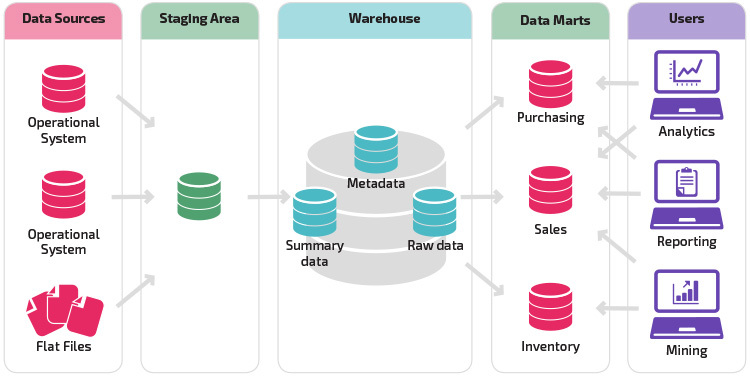

In the ever-evolving landscape of business, mergers and acquisitions have become a common strategy for growth and expansion. While these ventures offer exciting prospects, they also present complex challenges, especially when it comes to consolidating data from different systems into a unified and efficient data warehouse. This blog post aims to provide insights into optimizing data warehousing through process improvement after a company merge, focusing on the integration of data from legacy systems.
Challenges of Data Integration After a Company Merge
Mergers and acquisitions often result in the integration of disparate data systems, including legacy systems that may have outdated technology and data structures. The challenges that arise from such data integration are multifaceted:
- Data Discrepancies: Legacy systems may store data using different formats, structures, and naming conventions, leading to data discrepancies and inconsistencies when merged.
- Performance Bottlenecks: Integrating large volumes of data from various sources can lead to performance bottlenecks within the data warehouse, affecting query response times and overall system efficiency.
- Complex Transformation: Data transformation and mapping between legacy systems and modern data warehouse formats require intricate processes, consuming time and resources.
- Data Quality: Legacy systems might lack robust data quality controls, potentially introducing inaccuracies or incomplete data into the merged warehouse.
- Cultural and Process Differences: Mergers can bring together teams with varying processes, leading to challenges in aligning data integration workflows.
Optimizing Data Warehousing through Process Improvement
To overcome these challenges and optimize the data warehousing process after a company merge, consider the following strategies:
- Data Profiling and Mapping: Begin by thoroughly profiling the data from legacy systems. Understand the structure, format, and semantics of the data. Create a comprehensive data mapping document that outlines how data from different sources will be transformed and loaded into the data warehouse. This step forms the foundation for the integration process.
- Standardization and Cleansing: Implement a data standardization and cleansing process to ensure consistency and accuracy of the integrated data. Remove duplicates, correct inaccuracies, and harmonize data formats according to the conventions of the data warehouse.
- Data Transformation: Leverage Extract, Transform, Load (ETL) processes to transform data from legacy systems into the format required by the data warehouse. Utilize tools and scripts to automate data transformation tasks, reducing manual effort and minimizing the risk of errors.
- Incremental Loading: Instead of loading all data at once, implement incremental loading strategies. This involves periodically loading only the new or updated data into the data warehouse. This approach reduces the strain on system resources and enhances data freshness.
- Performance Optimization: Collaborate with database administrators and performance experts to optimize the data warehouse’s performance. This might involve indexing key columns, partitioning large tables, and optimizing query execution plans for faster response times.
- Data Quality Control: Establish data quality controls and validation checks as part of the ETL process. Flag or reject data that doesn’t meet predefined quality standards. Regularly monitor data quality metrics and address issues promptly.
- Change Management and Training: Implement change management practices to help teams adapt to the new data integration processes. Offer training sessions to familiarize employees with the updated workflows, tools, and best practices.
- Collaboration and Communication: Foster collaboration between teams involved in the data integration process. Regular communication ensures that everyone is aligned and can address challenges promptly.
- Scalability Considerations: As the merged company grows, anticipate future scalability needs. Design the data warehouse architecture with scalability in mind, ensuring it can handle increasing data volumes and user demands.
- Continuous Improvement: Data warehousing is an ongoing process. Continuously monitor the performance of the integrated data warehouse, gather feedback from users, and implement iterative improvements to enhance efficiency and usability.
Conclusion
Optimizing data warehousing through process improvement after a company merge and the integration of data from legacy systems is a complex yet rewarding endeavor. By addressing challenges related to data discrepancies, performance bottlenecks, and process alignment, organizations can create a robust and efficient data warehouse that serves as a reliable foundation for data-driven decision-making. Through meticulous data profiling, standardization, transformation, and continuous improvement, companies can unlock the full potential of their merged data assets and drive business success in the dynamic landscape of the modern business world.
Like this post? Buy my book, Workflows: How to Design, Improve and Automate High Performance Processes to start your process improvement journey.
 Notable